
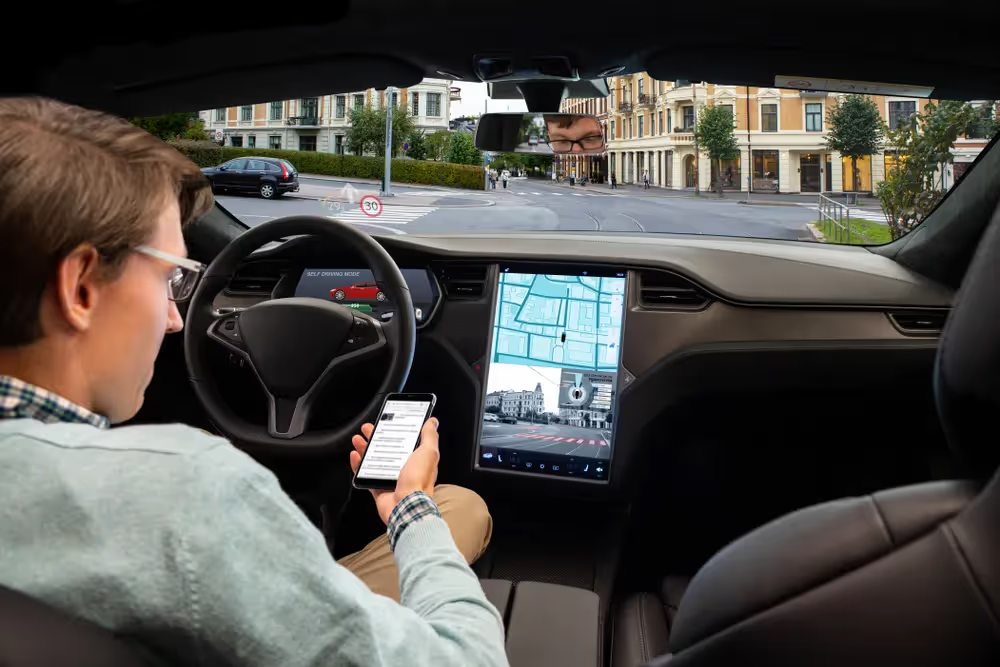
Tesla Autopilot Crash Settlement Amounts: How Much Is Your Case Worth?
table of contents
Tesla’s Autopilot and Full Self-Driving (FSD) systems remain under nationwide scrutiny as investigations continue, lawsuits increase, and more collisions reportedly involve advanced driving software. For people injured in these incidents, one of the first questions is simple: How much is a Tesla Autopilot settlement worth?
While no two cases are the same, settlement ranges can vary widely. The value often depends on the severity of the injuries and the type of medical care someone needs after the crash. It can also hinge on how the Autopilot or FSD system behaved in the moments before the impact. Another major factor is whether evidence suggests that Tesla could be responsible under product liability law.
These cases often require understanding both the physical damage and the digital trail left by the vehicle. Data logs, sensor reports, and Autopilot activity can all influence how the claim is evaluated. People injured in these crashes also want to know how software errors, phantom braking incidents, or system failures might affect their potential compensation.
Is There an Average Settlement for Tesla Autopilot Crashes?
There is no official average Tesla Autopilot settlement, and most outcomes remain confidential due to nondisclosure agreements. Based on similar product liability and wrongful death cases across the automotive industry, the settlement range varies widely depending on the circumstances.
Claims involving phantom braking accidents, Traffic Aware Cruise Control (TACC) failures, or driver-assist software that allegedly malfunctioned can involve significant compensation when the evidence supports a product defect. Cases involving life-changing injuries or wrongful death generally result in higher settlement values.
Many Tesla cases overlap with broader safety investigations. The NHTSA Autopilot investigation into Autosteer and driver-monitoring issues has drawn additional scrutiny to these claims. Plaintiffs often argue that known system limitations contributed to preventable collisions.
Understanding how these cases are evaluated often involves basic principles of vehicle accident law, including the concept of negligence. This legal standard helps determine responsibility when technology, human behavior, or both contribute to a crash.
Liability in these cases often turns on how the law defines negligence, especially when both human action and automated systems may have contributed to a crash. This standard helps courts evaluate responsibility and determine whether a manufacturer or driver failed to act reasonably.
Key Factors Influencing Your Tesla Lawsuit Payout
Tesla Autopilot settlement amounts depend on multiple variables, including:
- Severity of physical injuries
- Medical treatment and long-term medical needs
- Lost wages or changes in earning ability
- Crash speed and vehicle data
- Whether Autopilot, FSD Beta, or TACC was active
- Software behavior as captured in logs
- Past reports of similar issues
Cases involving FSD beta crashes, lane-keeping failures, or alleged sensor errors often involve deeper technical analysis. Plaintiffs may argue that Autopilot disengaged without warning or that phantom obstacles caused sudden braking.
Claims connected to traumatic brain injuries, amputations, or fatal incidents typically result in higher settlement potential due to long-term impacts.
The Product Liability Angle: Suing for Software Defects
Tesla Autopilot lawsuits often involve product liability claims rather than standard negligence alone. Product liability shifts the focus to whether a defective design, software error, or inadequate safety feature contributed to the event.
Common arguments include:
- Autopilot failed to detect hazards
- The vehicle failed to brake or braked unnecessarily
- Driver-monitoring warnings did not activate
- Software updates created new risks
- System warnings were unclear or insufficient
Some cases involve phantom braking, where the vehicle slows unexpectedly due to a mistaken perception of danger. Others involve lane-keeping errors or Autosteer disengagements that leave drivers with limited time to react.
People injured in these types of incidents may pursue claims similar to other Tesla product liability lawsuits that argue Advanced Driver Assistance Systems did not perform safely.
How Tesla Defends These Cases (and How to Win)
Tesla often defends Autopilot lawsuits by focusing on the responsibility of the driver. The company typically argues that Autopilot assists the driver but does not replace manual control.
Common Tesla counterclaims include:
- Driver inattention defense
- Failure to maintain hand contact on the wheel
- Improper or unclear use of Autopilot
- Ignored warnings
- Speed or lane-change choices made by the driver
Tesla frequently cites system disclaimers and reminders that the driver must remain fully engaged. Many cases involve reviewing vehicle logs that allegedly show periods of hands-off driving or delayed responses.
Plaintiffs counter these defenses with:
- Vehicle data showing Autopilot behavior
- Expert testimony on software issues
- Evidence of similar prior incidents
- Internal documents about known system risks, when accessible
- Comparisons to safety standards for advanced driver-assistance systems
Law firms familiar with autonomous vehicle litigation work with specialists who analyze sensor data, crash logs, and system behavior to help build stronger cases.
Can You Claim Punitive Damages Against Tesla?
Punitive damages may apply when a plaintiff shows that a company acted with a conscious disregard for safety. These damages are rare and require a high legal threshold.
Courts may consider factors such as:
- Previous Autopilot related crashes
- Whether Tesla delayed important software updates
- Consumer complaints involving patterns of similar issues
- Evidence suggesting foreseeable risks to the public
When punitive damages apply, they can increase the value of a Tesla Autopilot settlement substantially.
Why You Need a Lawyer Specialized in Autonomous Vehicle Litigation
Autopilot and FSD cases involve software behavior, machine learning, sensor systems, and federal safety standards. This makes them more complex than standard vehicle accident cases.
Attorneys familiar with autonomous vehicle litigation can interpret vehicle data, evaluate potential defects, and pursue claims related to product liability or software malfunction. People seeking guidance may find helpful information on the page for Tesla car accident lawyers. Those looking for broader support can also visit the main page for trustful injury lawyers who have experience handling complex claims.
Tesla often defends these cases aggressively, which is why professional representation can be critical for securing fair compensation.

Discover your legal options. Get a free case review, and pay nothing unless we win.
Free case review.
No fee unless we win.
Tell us what happened and we'll call you back within the hour, day or night.


