What to Do After a Car Accident in Arizona (2026 Guide)
table of contents
A car accident can turn an ordinary day upside down in seconds. Even a relatively minor crash can leave people rattled, sore, and unsure of what comes next. What someone does in the minutes and days after a collision can affect both physical recovery and any future insurance claim. Stress, adrenaline, and confusion often take over, which is why having a clear plan matters. Knowing what to do after a car accident helps drivers stay grounded when everything else feels chaotic.
Immediate actions to take at the accident scene
The moments right after a crash feel overwhelming. Traffic continues to move, adrenaline kicks in, and it can be hard to think clearly. Taking a few calm, deliberate steps can make the situation safer and easier to manage.
Step 1: Check for injuries and call 911
The first priority after any accident involves people, not vehicles. Drivers should also check themselves and anyone else involved for injuries. If someone feels pain, dizziness, or confusion, they should call 911 immediately.
Since car accidents are traumatic, you will likely have adrenaline and other life-saving chemicals rushing through your body. These chemicals can mask an injury initially, so be sure to physically look at yourself to ensure that you are alright.
Even when injuries seem minor, emergency responders can assess the situation and create a record of what happened. That record often becomes important later, especially if symptoms worsen or new pain appears.
Sometimes, moving someone after a bad injury can make their situation even worse.
Step 2: Move to safety and prevent secondary accidents
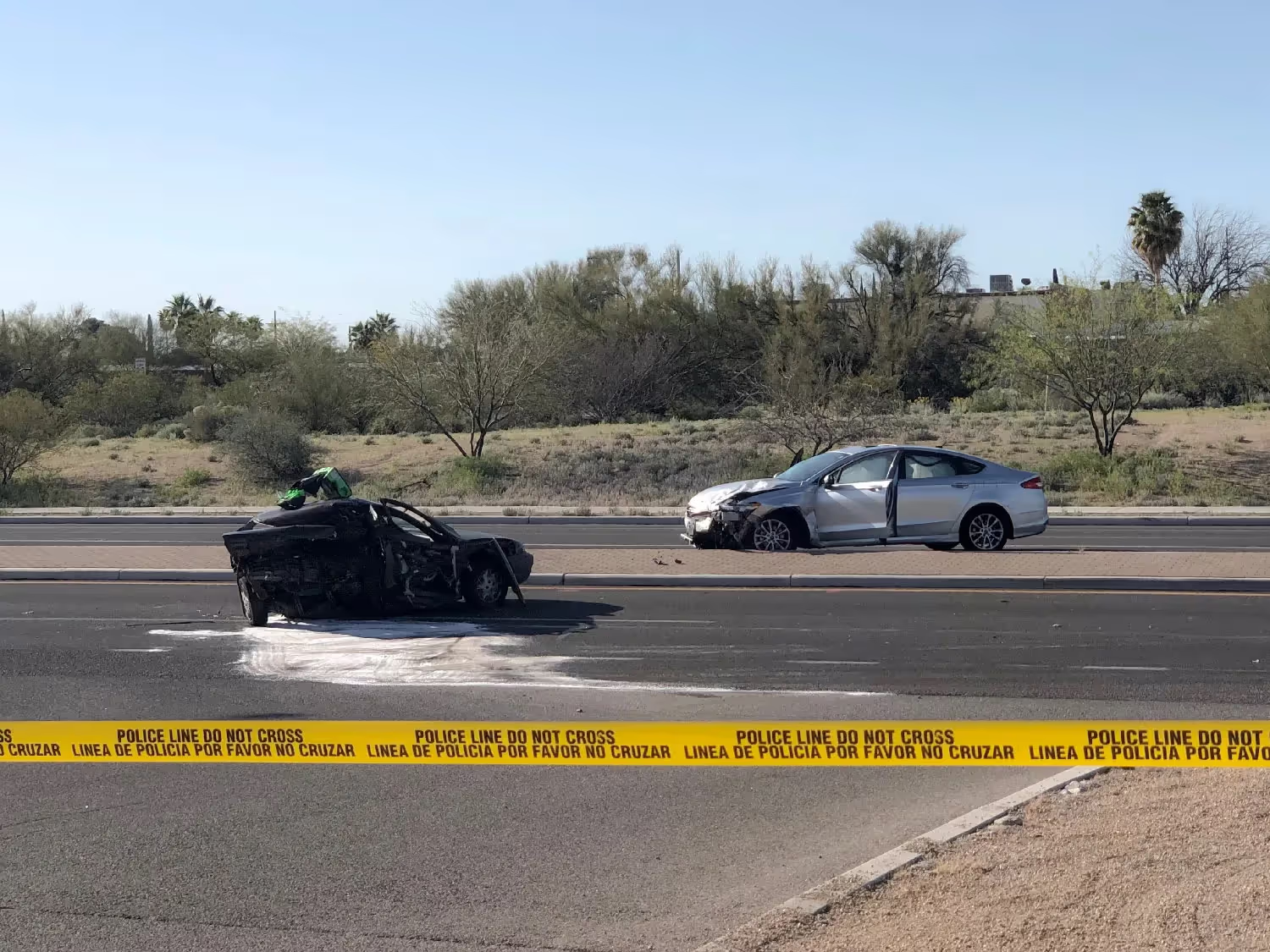
If vehicles can move and conditions allow, drivers should get out of traffic. Pulling onto a shoulder, side street, or parking lot helps lower the chance of secondary accidents. These accidents happen more frequently than many think.
Generally, you want to leave your vehicle where it is until the police arrive so they can analyze what happened and investigate who hit who. That said, you also need to use your best judgment when determining what to do with your car after an accident. If traffic is coming in hot and they won’t be able to see your accident until it’s too late, then it might be necessary to move your car to the shoulder.
Drivers also should take steps to prevent secondary accidents. Turning on hazard lights and staying alert signals to other drivers that they need to slow down or change lanes. Placing flares on the road can also warn of an upcoming hazard. These tools help protect everyone while waiting for help to arrive.
Step 3: Document the Accident Scene
If you’re injured after the crash, don’t worry about documenting the scene. Focus on your health. If you are in a position to be able to, though, you should start documenting the accident scene while you wait for police to arrive.
- Take photographs of the scene.
- Ask nearby witnesses if they’d be willing to provide a statement to the police.
- Take down witnesses’ contact details in case you need them later.
- Check with nearby motorists to see if anyone caught the accident on a dash cam.
- Look around to see if you notice any surveillance cameras nearby that you could pull footage from.
Get as much evidence as you can while at the scene, but only do so if it’s safe and you're physically able to.
Step 4: Exchange information and gather witness contacts
Once the scene is safe, drivers should exchange basic information. This includes names, phone numbers, insurance details, and license plate numbers. If anyone nearby saw the crash, asking for their contact information can help later.
Drivers should also take photos of the accident scene. Photos of vehicle damage, road conditions, traffic signals, and injuries capture the important details. People often forget these specifics once the shock wears off.
Step 5: Consulting a Lawyer
The right car accident lawyer can help you better understand your options based on your specific circumstances. If someone else is responsible for the accident, you should be able to file a claim with that party’s insurance provider or against the negligent party themselves. Your lawyer will also help you value your claim based on your losses and the overall accident's impact on your quality of life.
Here at Kermani LLP, the team of car accident lawyers is prepared to help you navigate the complexities of your car accident situation. The attorneys want to hear you explain what happened, the extent of your losses, and the overall impact the accident has had on your quality of life. We know first-hand how devastating it can be to unexpectedly lose months or even years of your life dealing with an injury that was avoidable if the other party wasn’t reckless. Schedule a legal consultation with our team now if you are ready to pursue justice after a crash.
Step 6: Filing Insurance Claims
Depending on your situation, your next step may be filing an insurance claim. If you have personal injury protection, then you may be able to get coverage from your insurance policy even if you were at fault or if you get involved with underinsured or uninsured drivers. If the other party was at fault, then you might have to file an insurance claim with their company. If you hire a lawyer, your attorney will handle this aspect. They’ll negotiate with any insurance agents and help you build a solid case upfront.
Documenting the scene: Your key to a successful insurance claim
Insurance claims often come down to details. The more clearly a driver documents the scene, the stronger the claim tends to be. Writing down what happened while memories stay fresh helps preserve accuracy. Notes on the time of day, location, weather, and traffic can back up a driver's claim for economic damages and other non-economic damages linked to the crash.
Seeking medical attention for delayed symptom injuries
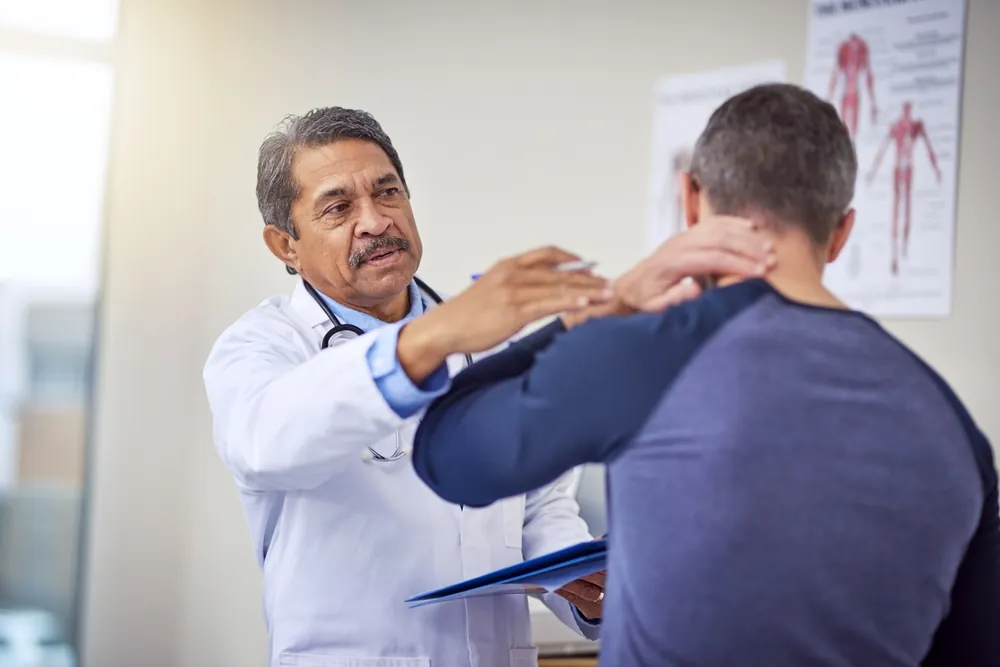
Not every injury shows up right away. Whiplash symptoms, soft tissue injuries, and even concussions can take hours or days to appear. Some people feel fine at first, only to wake up sore or disoriented later.
Seeing a doctor protects both health and legal rights. Medical records link injuries to the crash. They also stop insurance companies from claiming unrelated issues caused the harm.
Common insurance adjuster tactics and how to avoid them
Insurance adjusters often reach out quickly after a crash. They may sound friendly or reassuring, but their role focuses on limiting payouts.
Some adjusters request recorded statements from the involved parties. They may also offer a quick settlement before drivers and passengers are aware of the full extent of any injuries. Other adjusters may question medical treatment or suggest shared fault. Understanding negligence and how fault works helps drivers avoid these traps and prevents them from saying anything that could negatively affect their case.
When to contact a personal injury attorney
Legal help often becomes useful once injuries start interfering with daily life. Insurance companies may push back or ask questions that feel uncomfortable. An attorney can handle those conversations and protect a driver’s interests.
Many cases use a contingency fee agreement, which means clients do not pay upfront. Our car accident lawyers can explain a driver's options. Kermani LLP attorneys will also explain next steps based on the specific facts of the crash.
FAQs
What are the First Steps to Take Immediately After a Car Accident?
Directly after an accident, you need to:
- Call the police.
- Get medical care.
- Document the scene if possible.
These steps keep you safe and protect your rights.
How Important is Documenting the Accident Scene?
Accident documentation is essential to your claim. If you properly document the accident scene, you might be able to easily prove negligence. For instance, if the other driver broke traffic laws and you secure proof of that through witness statements, a police report, and dash cam footage, then your claim will be easy to prove and faster to resolve.
Should I Contact My Insurance Company After the Accident?
You can contact your insurance company to inform them that an accident happened, but don’t make any further statements until you’ve spoken with an attorney. Do not make any statements admitting fault, discussing your injuries, or thoughts about pursuing a claim. You can have those types of discussions later after you talk with a lawyer.
Is Seeking Medical Attention Necessary if I Feel Fine?
It makes the most sense to seek out medical care after an accident even if you think you feel fine. A full physical checkup could uncover injuries with delayed symptoms or help you diagnose a source of pain that you might not have realized was that serious. Prompt medical attention is also necessary for personal injury claims, so if you think you might seek out a claim after your accident, then you need to make sure you get timely medical care. Otherwise, you could cause complications with a future claim.
When Should I Consider Legal Counsel Following an Accident?
If you were involved in an accident that you think was someone else’s fault and the losses are significant, then it might be time to seek legal advice. A lawyer can help you determine if your situation has the necessary elements to file a claim, and they can also inform you about your options moving forward. A lawyer’s counsel is always preferred over general advice on car accident situations because a lawyer will base their counsel on your specific circumstances and the local laws in your area.
What Information Should I Exchange With the Other Driver?
You and the other driver should both provide each other with your name, phone number, and insurance information. Aside from that, the police will document everything else that needs to be taken down. You shouldn’t need to contact the other driver directly if you later need to pursue compensation, but you may have to deal with their insurance company. If you hire a lawyer, then they’ll field all communication for you.


Discover your legal options. Get a free case review, and pay nothing unless we win.


Receive a FREE case assessment
Every case is unique, so we tailor our approach to meet your specific needs.