table of contents
If you’ve ever driven SR-138 — the highway locals call Blood Alley — you already know: some roads demand a different level of attention. California loses roughly 4,000 people to traffic fatalities every year, and certain freeways show up in that count again and again. So what is the worst freeway in California? It depends on how you define danger — but a few names come up every time.
Worst Freeways in California — What “Worst” Really Means
“Worst” means different things to different drivers. For some, it’s endless gridlock and unpredictable braking. For others, it’s the number of fatalities per mile. And then there’s crumbling pavement and semis riding inches from your bumper. When ranking the worst freeways in California, we factor in all of it: traffic volume, fatal crash data, road conditions, and the specific hazards each corridor presents.
Worst Freeways in Southern California — LA Traffic and Crash Pressure
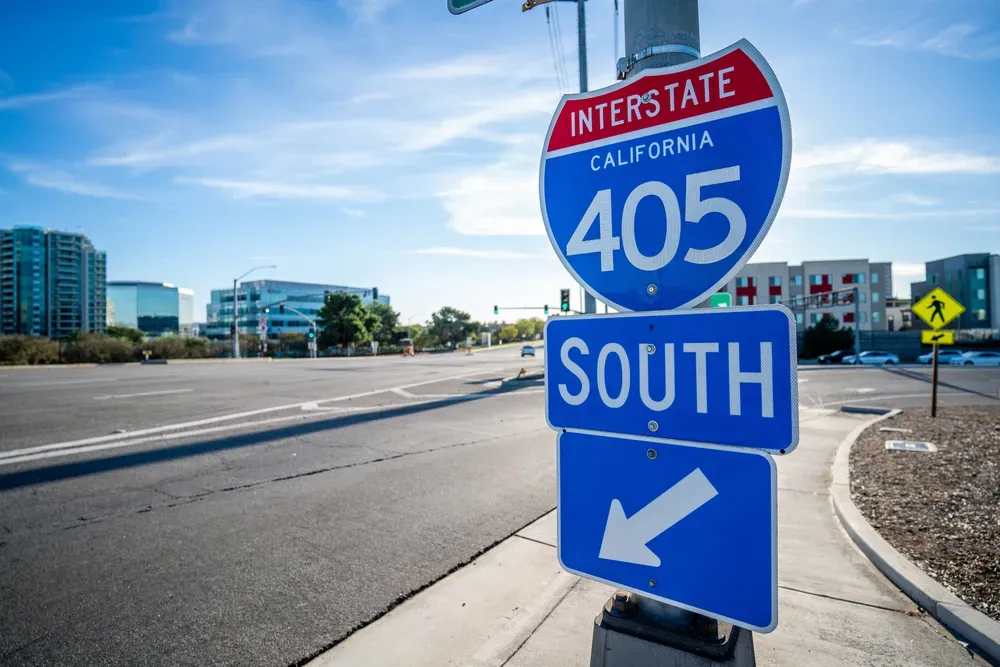
The worst freeways in Southern California share a common blueprint: dense population centers, infrastructure designed in the 1960s, and capacity that ran out decades ago. According to FHWA data, I-405 in Los Angeles carries up to 379,000 vehicles per day — more than any other interstate in any U.S. metro area. Congestion is only part of the problem. In 2022 alone, the 405 logged 1,098 crashes, and more than half were rear-end collisions caused by sudden braking in heavy traffic.
Worst Freeway in LA: I-405 (The 405)
Widely considered the worst freeway in LA, the 405 stretches 72 miles from Irvine to the San Fernando Valley. 55% of crashes on this freeway involve speeding, while another 18% stem from dangerous lane changes. The worst stretch sits between the 101 and 10 interchange areas in West LA, where rush-hour traffic slows to a near standstill.
What Time Is Traffic the Worst in LA
So what time is traffic the worst in LA? On the 405, morning rush runs from 7:00 AM to 10:00 AM. The evening peak hits between 3:30 PM and 7:30 PM. One window that catches drivers off guard is Saturday from noon to 3:00 PM, which actually logs the highest crash numbers. Fridays after 2:00 PM, when weekend travel ramps up, are consistently worse than any other weekday.
Worst Freeways in California — The List
I-405 (The 405)
The busiest freeway in the country. Extreme traffic density fuels a steady stream of braking-related collisions — 1,098 crashes in 2022 alone.
US-101
Between 2010 and 2016, 643 people died along this route. A 37-mile stretch through San Jose and San Mateo was especially deadly, with 26 fatal crashes in just two years. Chronic congestion and aggressive merging define the 101 experience.
I-5 (The 5)
128 fatalities in 2022 — the highest raw count of any California highway. A mix of suburban commuters and heavy commercial trucks, aging interchanges, and 800 miles of road where driver fatigue becomes a crash factor on its own.
SR-99 (State Route 99)
An average of 89 deaths per year over a five-year span makes SR-99 arguably the worst freeway in California by sheer fatality count. Narrow lanes, heavy agricultural and truck traffic through the Central Valley, and one defining threat: Tule fog, a dense ground-level fog that can drop visibility to near zero within minutes. In January 2026, fog triggered a 59-vehicle pileup near Delano in Tulare County.
I-880 (Nimitz Freeway)
Northern California’s deadliest freeway by crash density: 1.87 fatal crashes per mile through the Milpitas segment. Port of Oakland truck traffic, deteriorating pavement, and relentless stop-and-go make every commute here a test of focus.
SR-138 (“Blood Alley”)
A two-lane road with no center divider, steep grades, and blind curves. In the 1990s, it averaged up to 10 deaths per year, mostly from head-on collisions. Caltrans has been widening segments for decades — the latest $16.6M project is scheduled for 2026–2027 — but much of the route looks the same as it did thirty years ago.
Safety Notes and Post-Crash Steps (When Injuries Are Involved)
If you’re involved in a crash on any of these highways and sustain injuries, call 911, stay in a safe location, and document everything you can — photos of the damage, video of the scene, contact information for witnesses. The steps you take documenting the accident scene in those first minutes can shape the outcome of your entire case.
Understanding what goes into an accident report — and making sure yours is thorough — gives your claim a stronger foundation from day one.
Risk-Reduction Basics for High-Incident Corridors
Leave extra following distance in heavy truck zones — especially on SR-99 and I-880. On the two-lane sections of SR-138, skip the pass unless you can see oncoming traffic for at least half a mile. In Tule fog on SR-99, slow down and use low beams or fog lights, not high beams. They bounce off the fog and blind you.
On any California freeway: if traffic ahead suddenly slows, brake gradually and watch your rearview mirror. Most rear-end collisions on the 405 happen at the exact moment traffic grinds to a stop. Crashes involving commercial trucks carry even higher stakes — Truck Accident Lawyers in California at Kermani LLP can evaluate your case for free.
If you’ve been in a wreck and need Car Accident Lawyers in California, Kermani LLP is available 24/7 for a free consultation.


Discover your legal options. Get a free case review, and pay nothing unless we win.
Receive a FREE case assessment
Every case is unique, so we tailor our approach to meet your specific needs.